Master anything you learn. Do your best research with AI.

Heptabase is an intelligent, visual knowledge base built for students, researchers, and lifelong learners.

Start your 7-day trial
Heptabase Hero Video Poster
Heptabase - Top Post Badge | Product HuntHeptabase - Golden Kitty Badge | Product Hunt

Backed by top-tier investors

Y Combinator Logo
Kleiner Perkins Logo
HOF Capital Logo
Moving Capital Logo

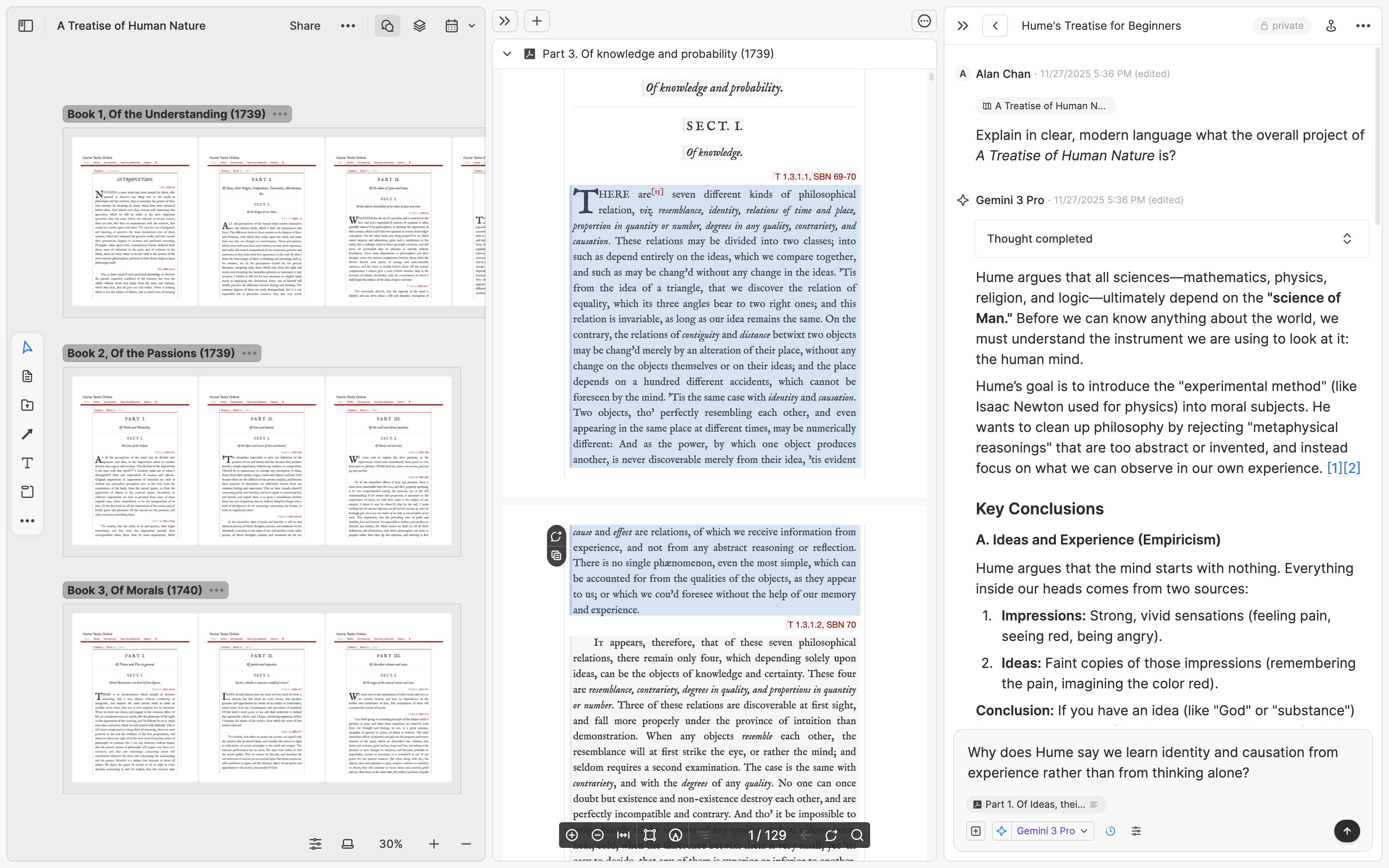
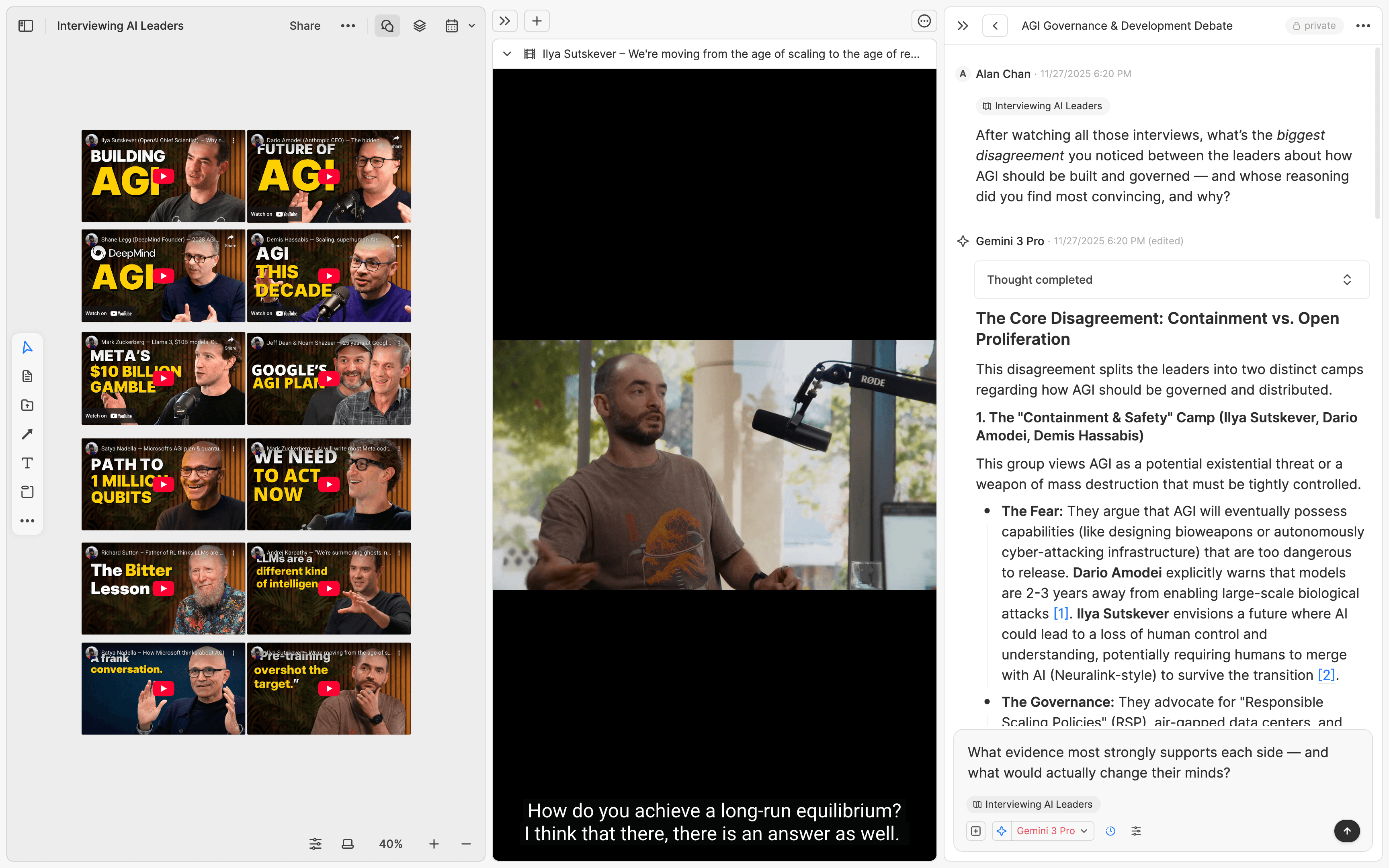
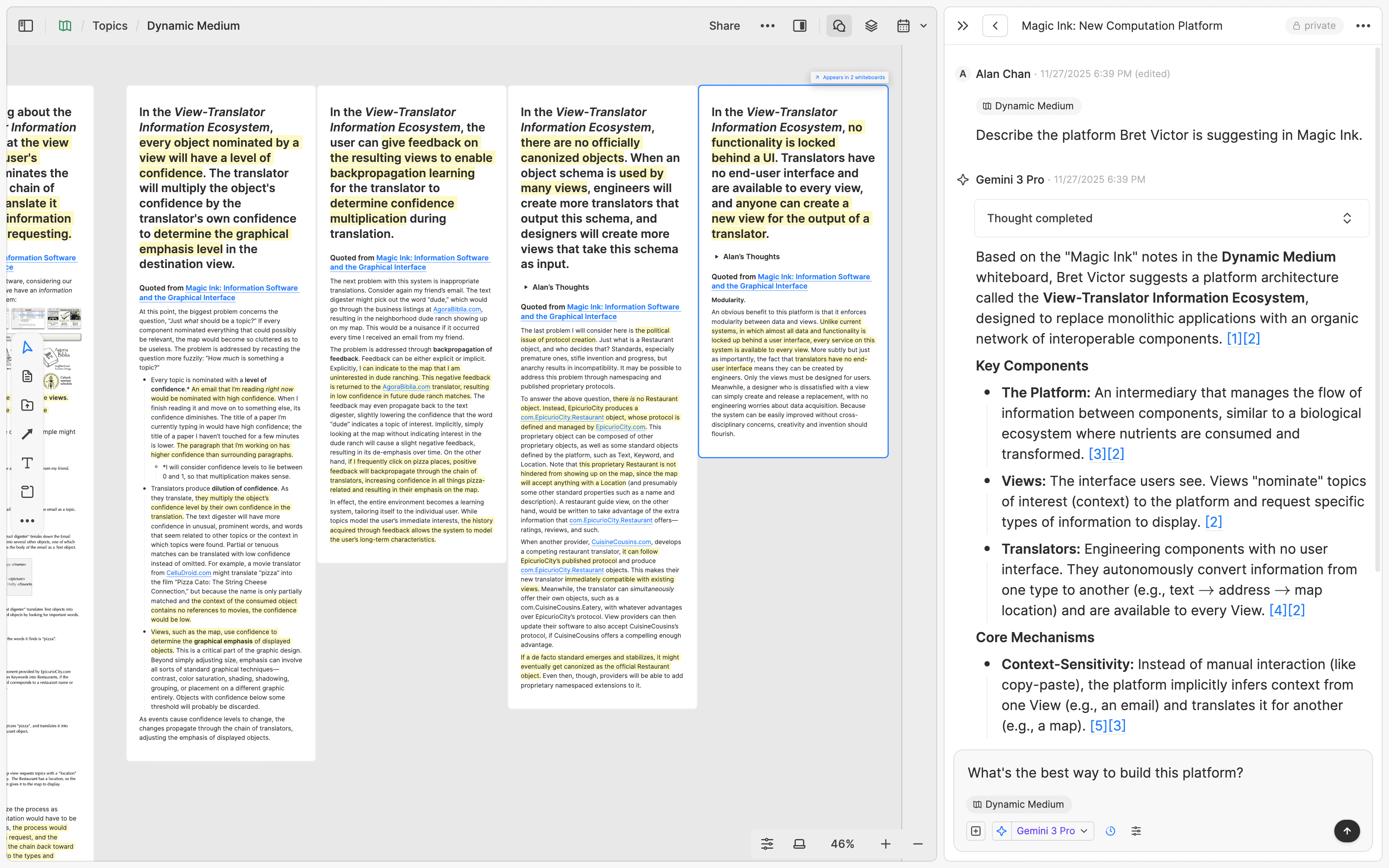
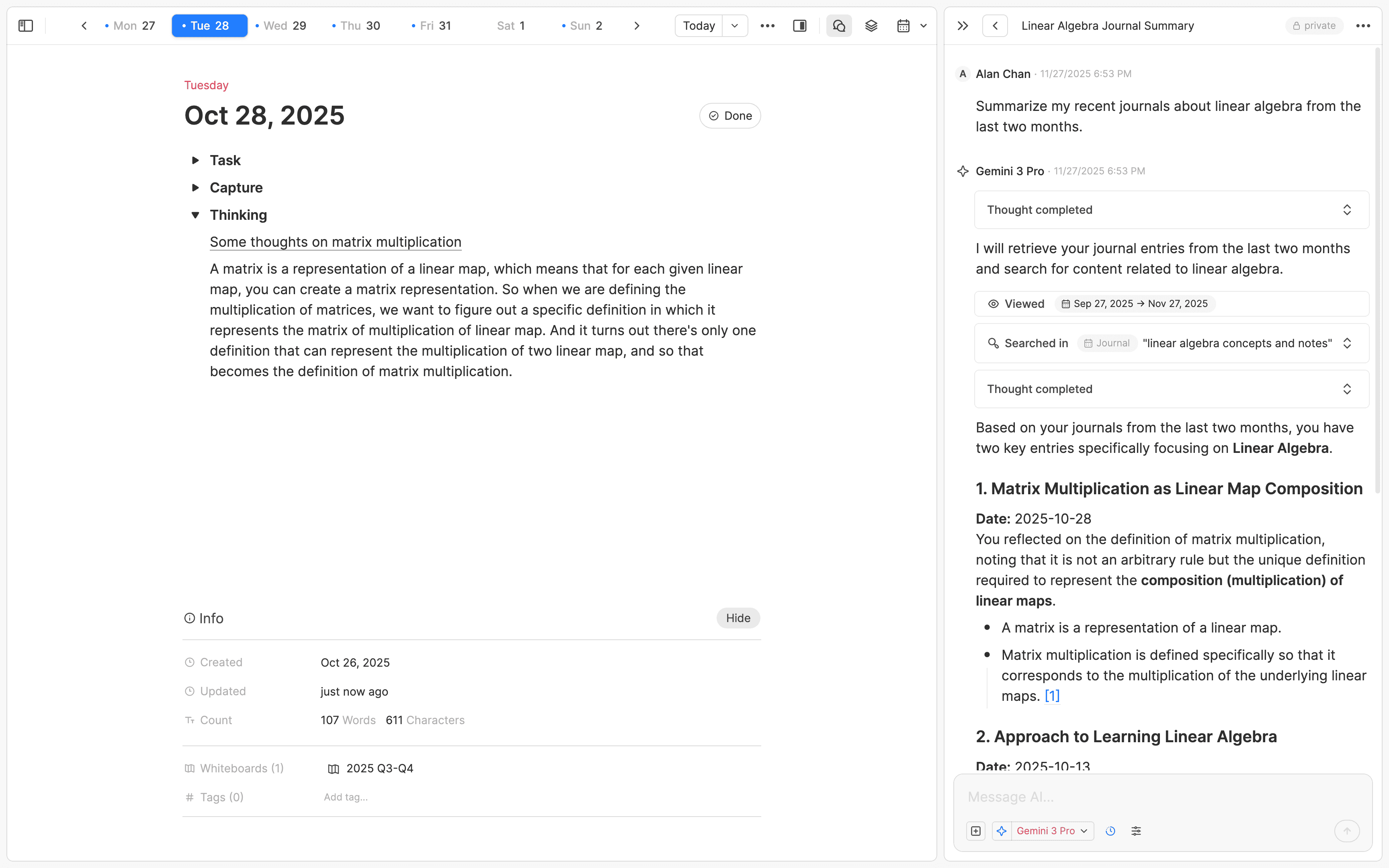
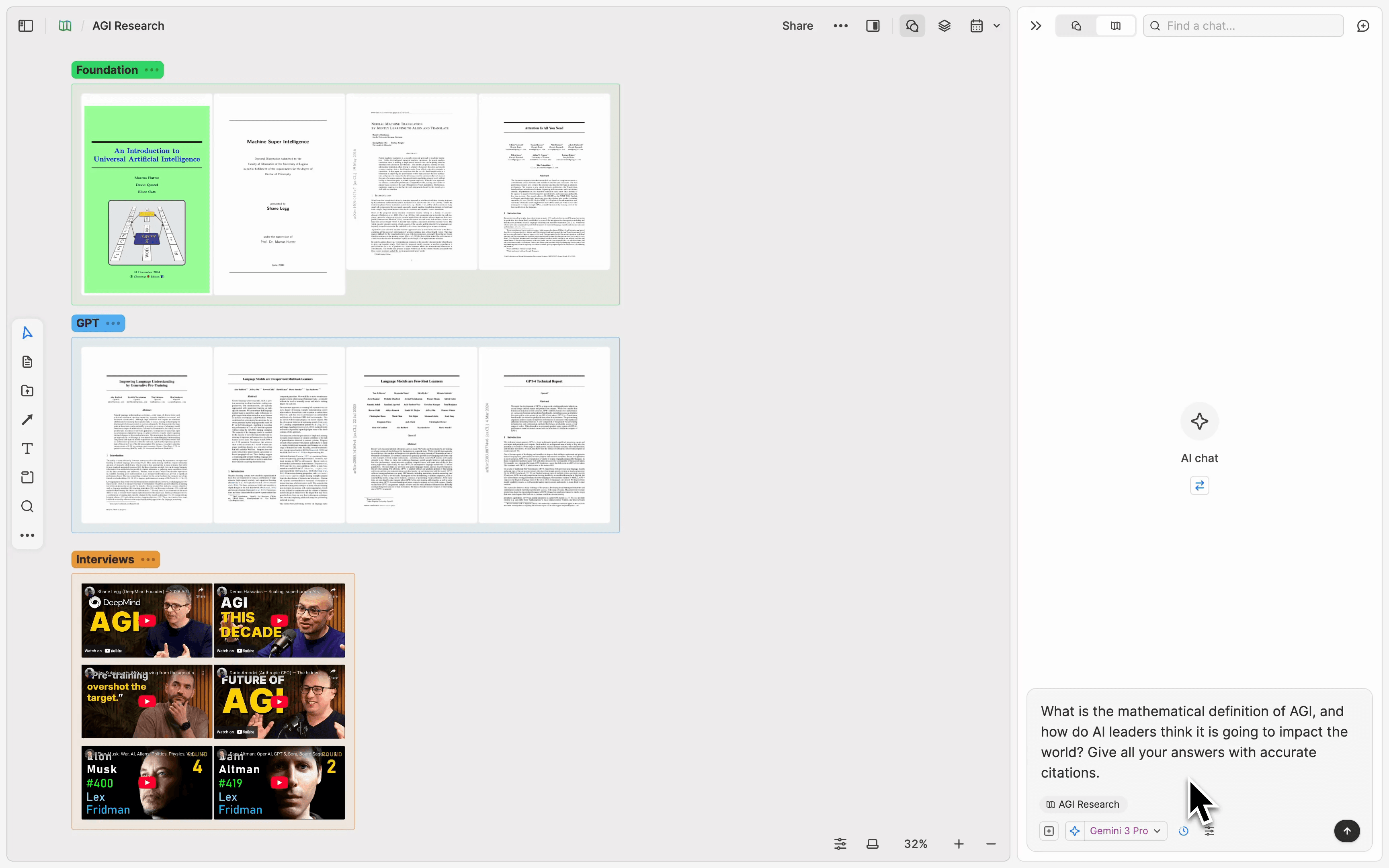
Ask AI to explain any sources you bring, and conduct research for you with citations you can trust.

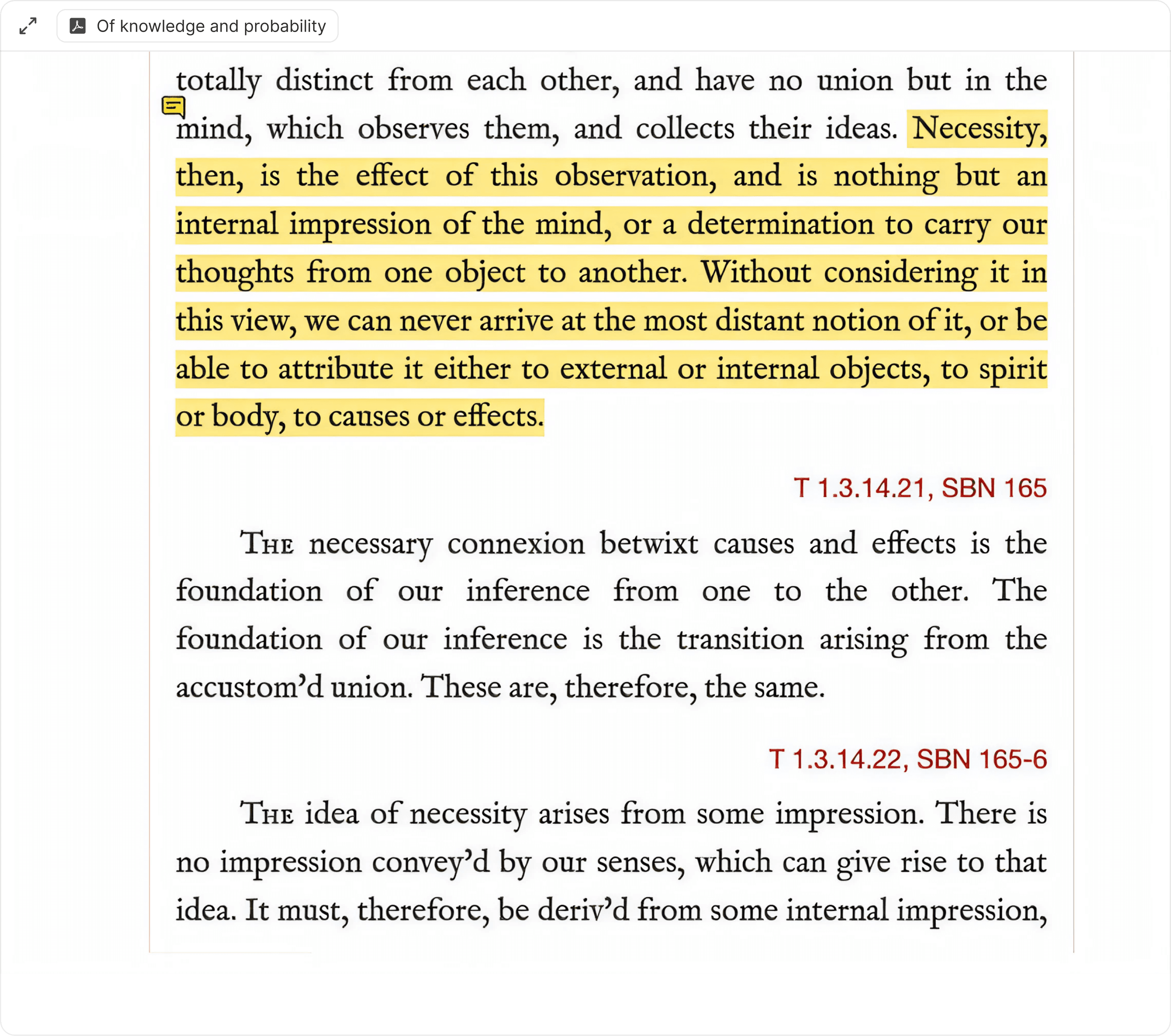
AI Research with PDF - Heptabase
AI Research with YouTube - Heptabase
AI Research with Note - Heptabase
AI Research with Journal - Heptabase

Use whiteboards and cards to clarify your thinking and stay in flow.

Whiteboard feature - Visual note-taking with Heptabase

Build a connected knowledge base with all your sources, notes, highlights, and discussions in one place.

Block-Based Editor
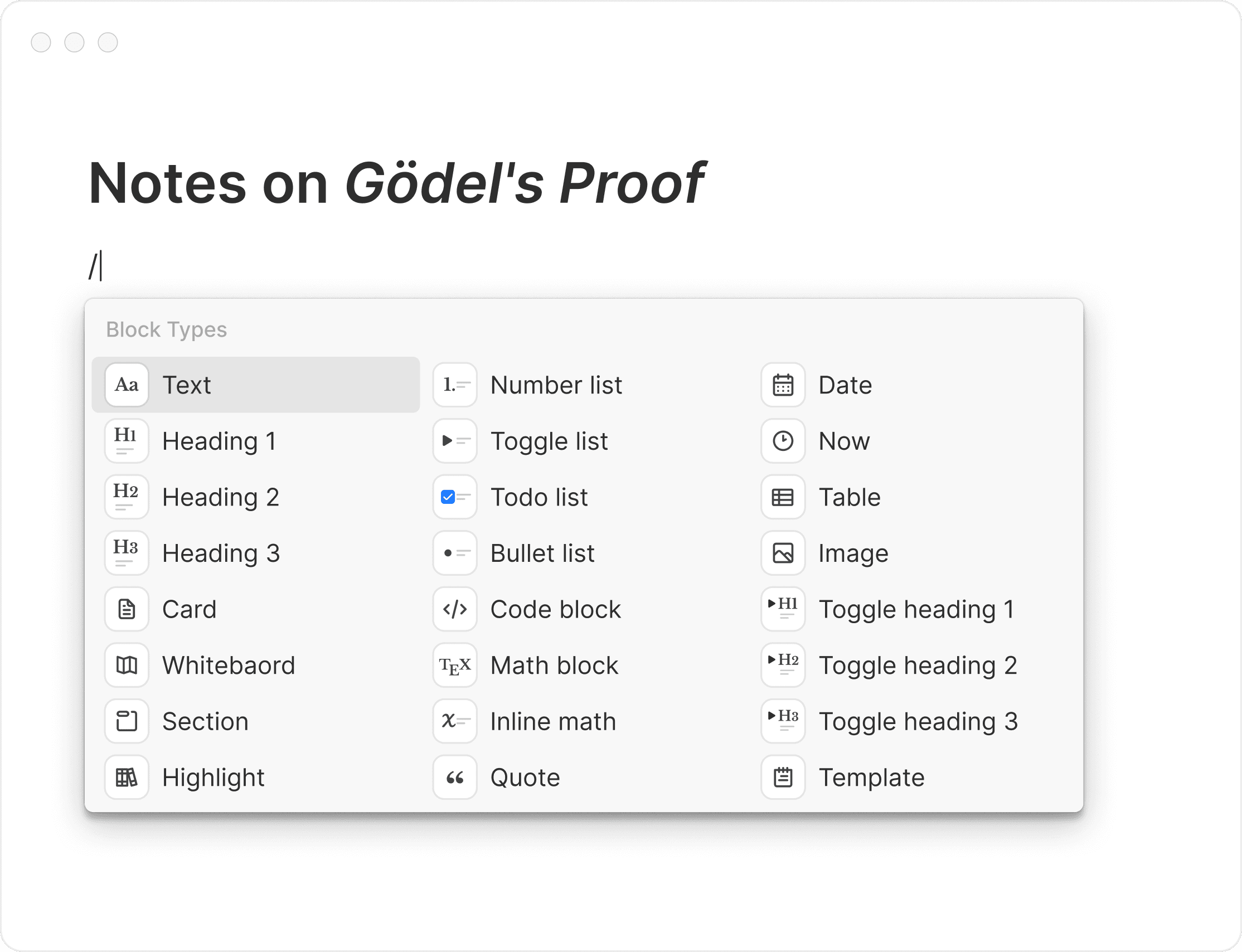
Block-based editor with slash command menu

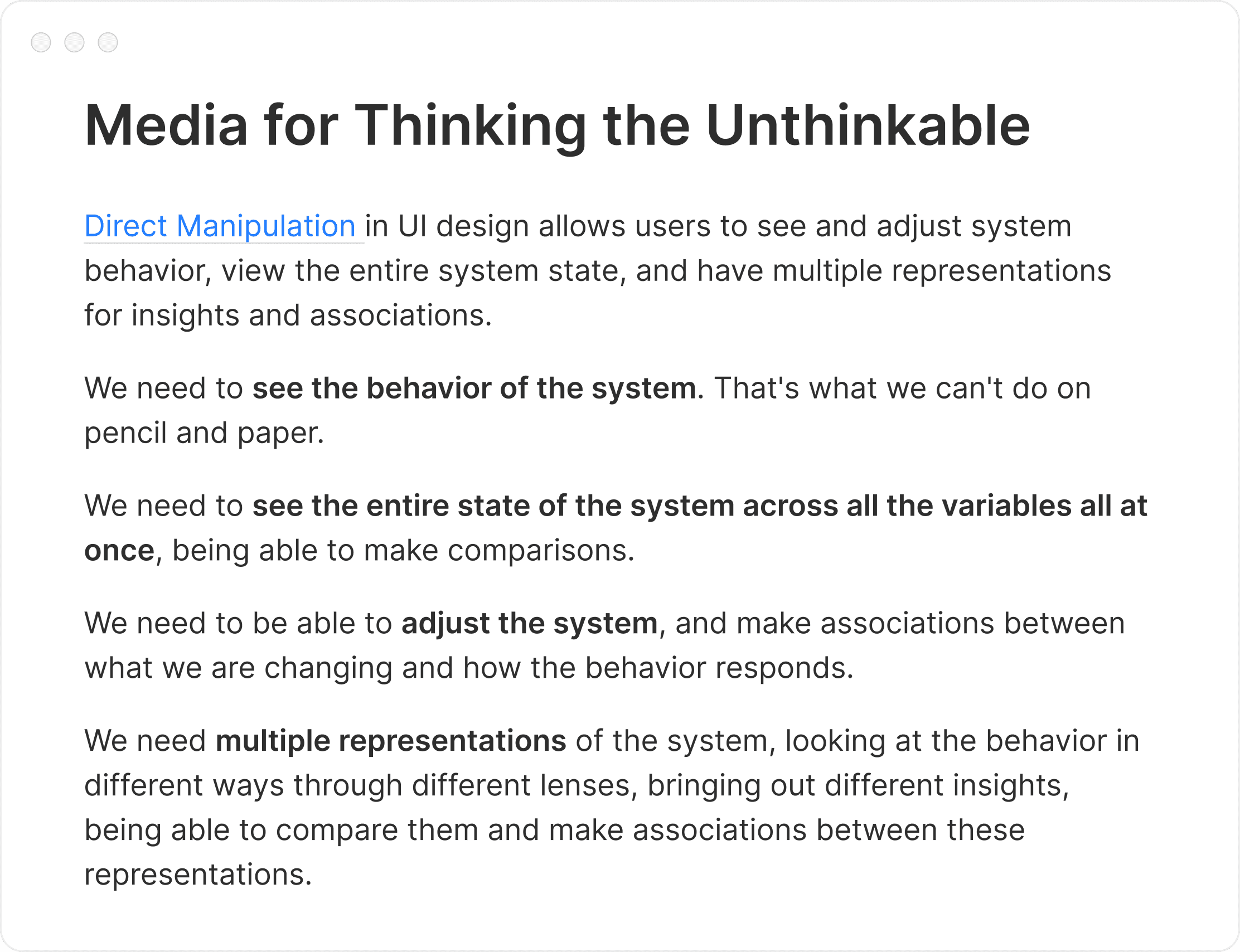
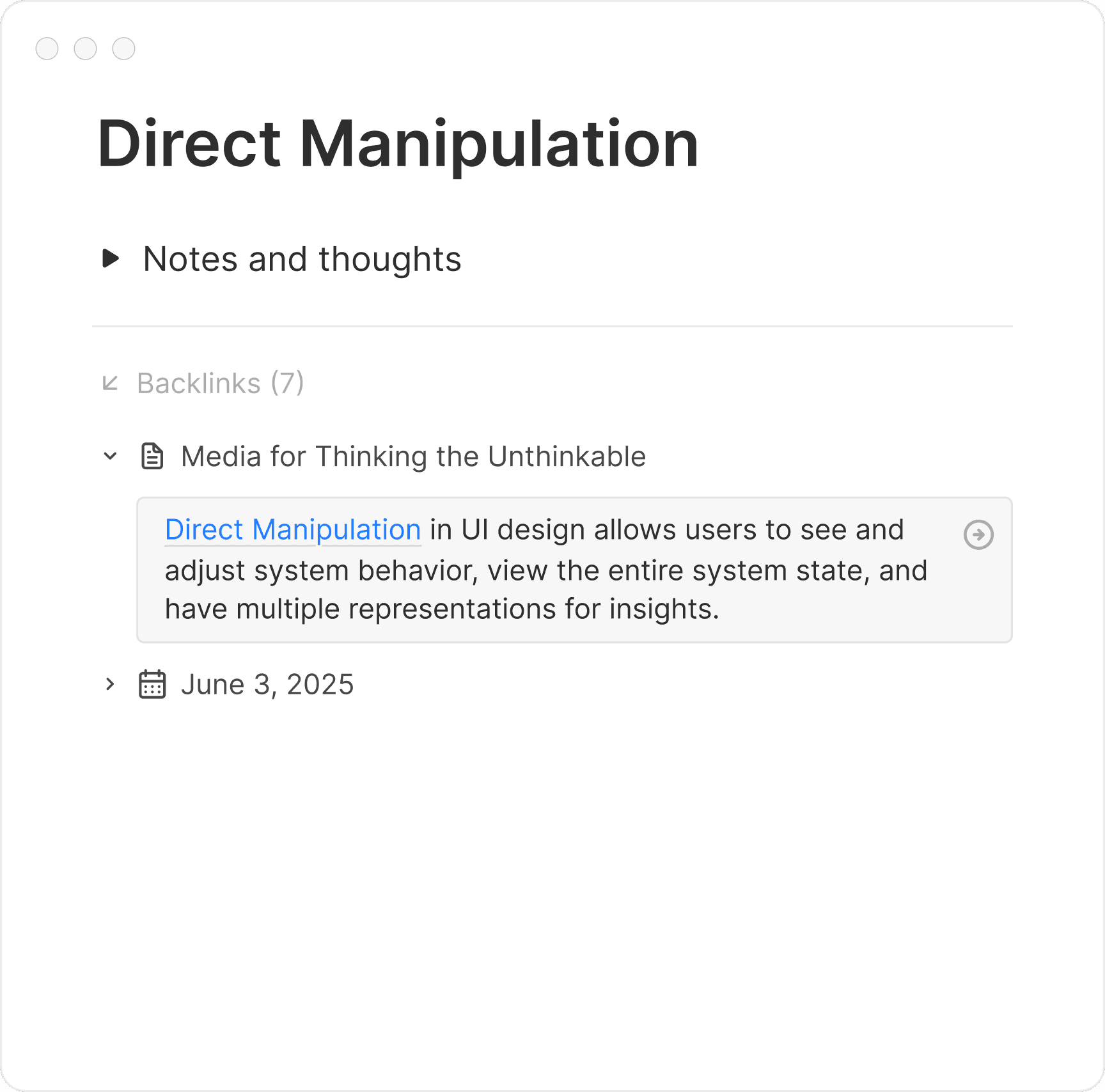
Bi-Directional Links

Backlink source note
Active note with bidirectional links

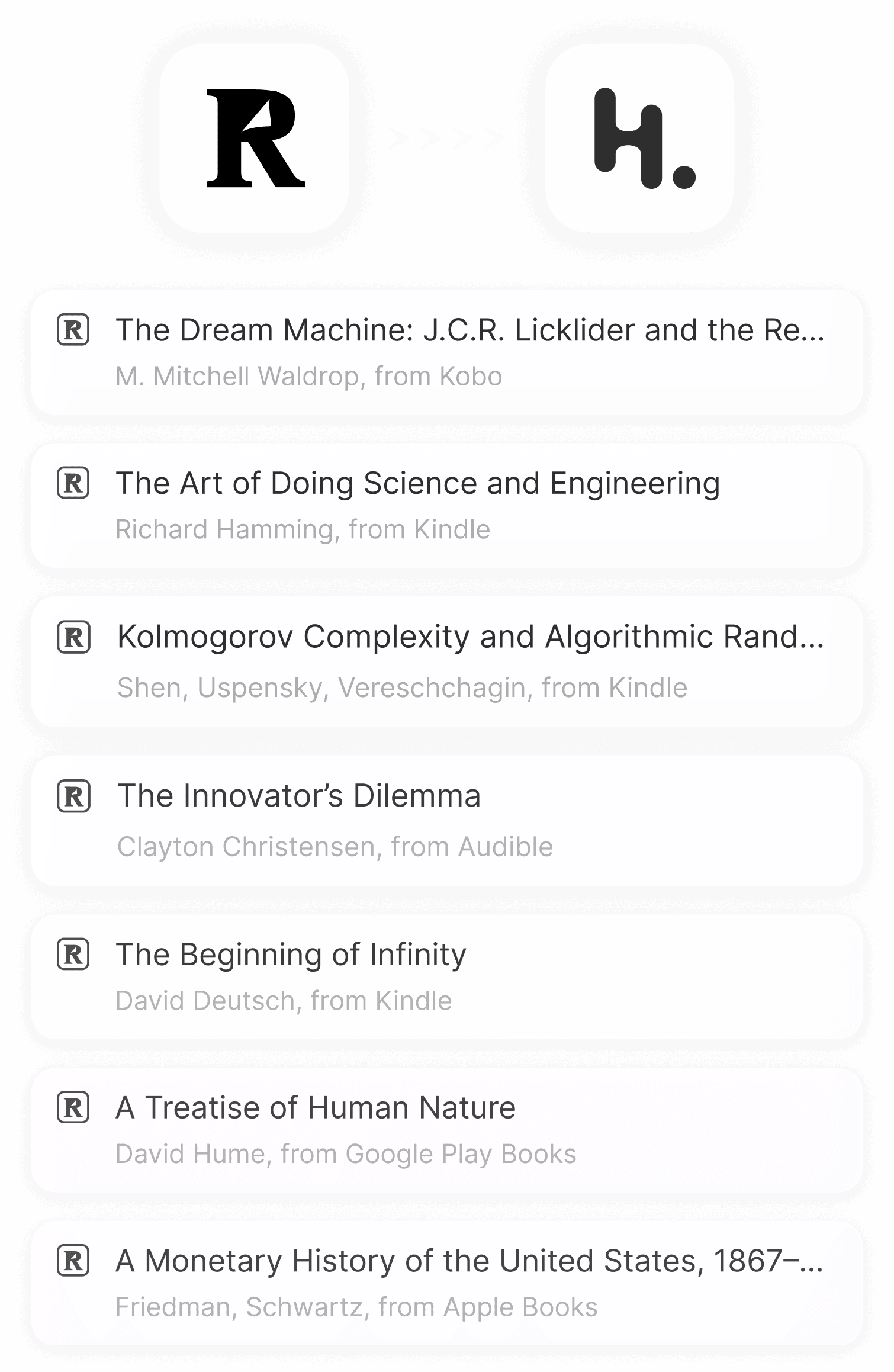
Readwise Integration

Readwise integration showing synced highlights

PDF Annotation

PDF annotation interface
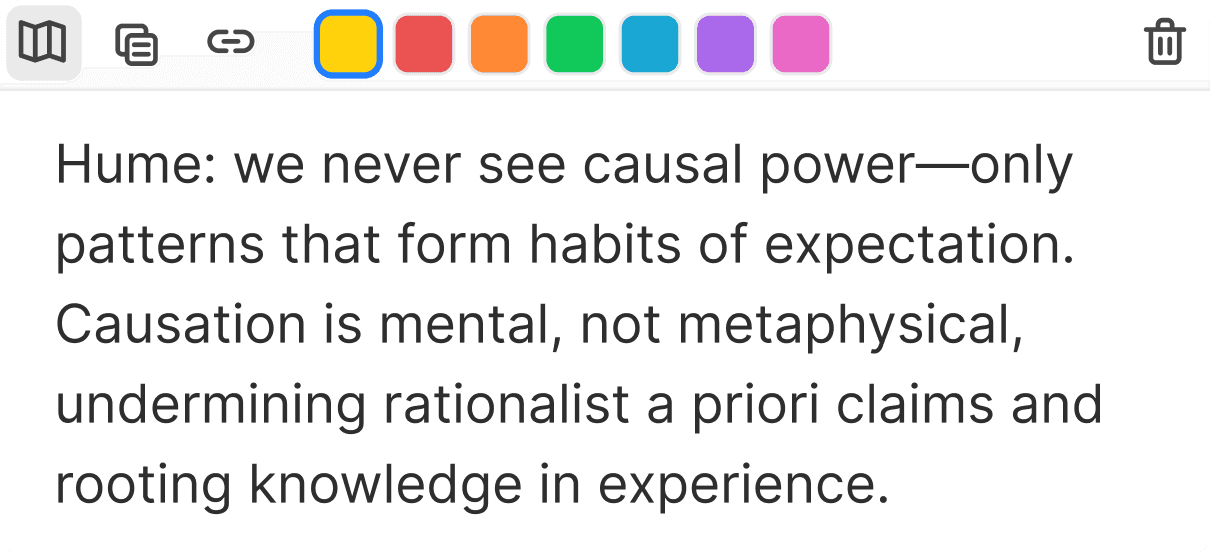
Highlight color menu

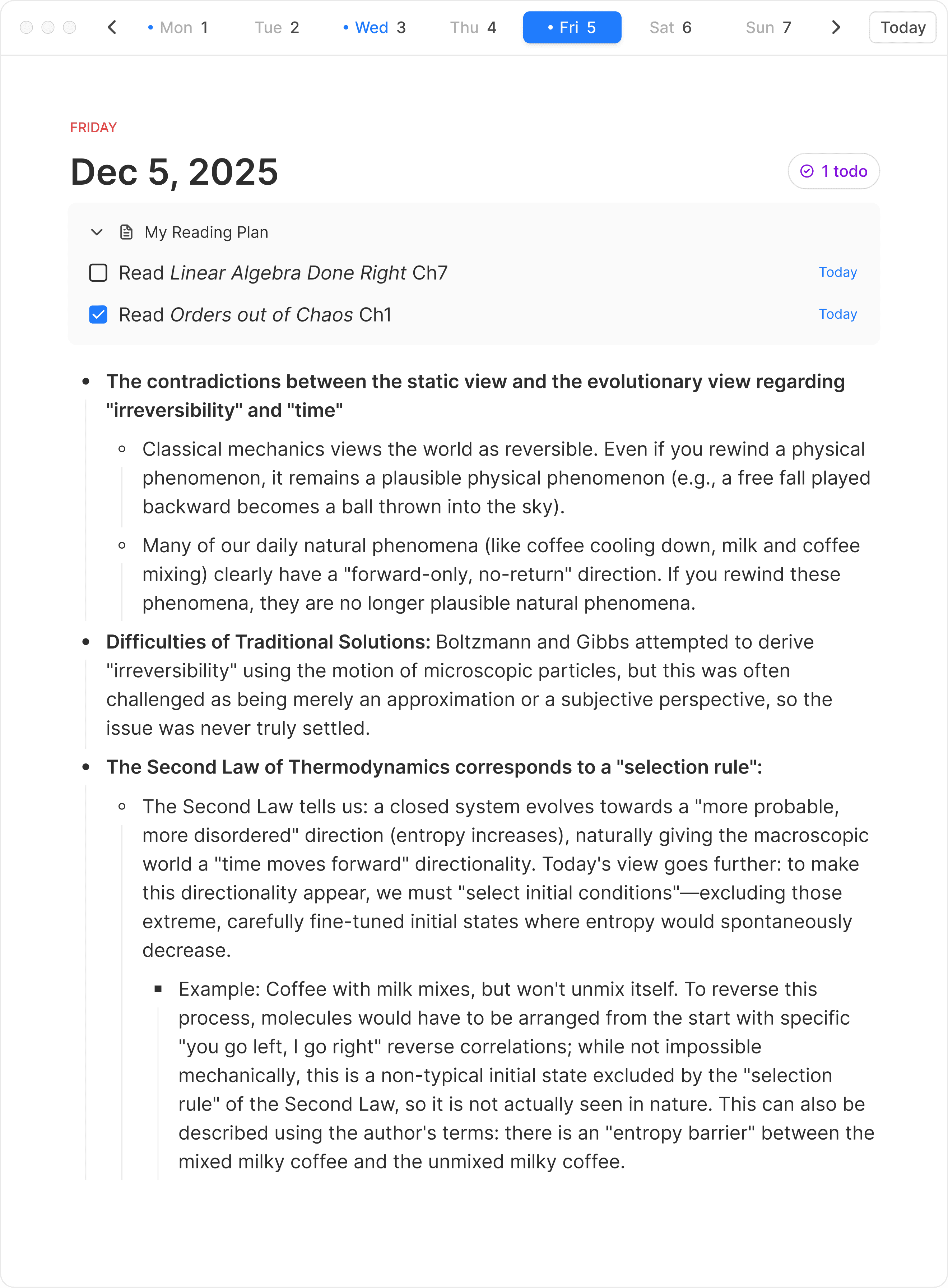
Daily Journals

Daily journals view with calendar and todos

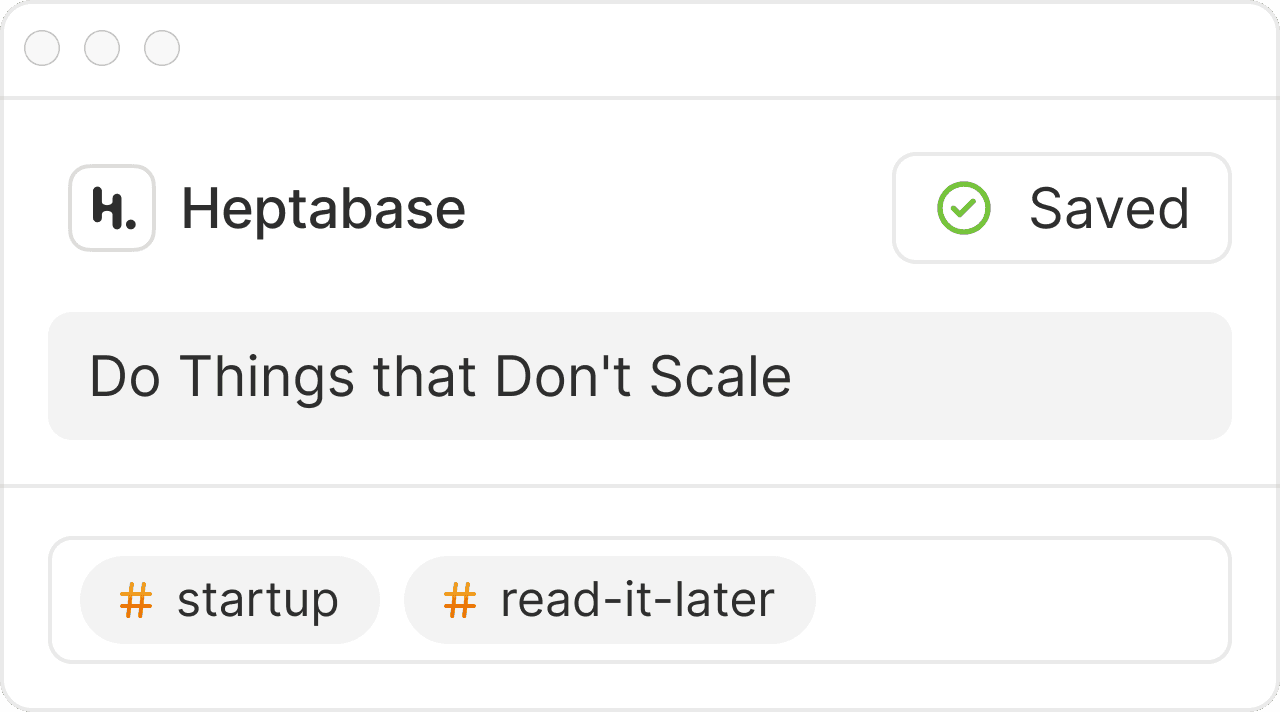
Web Clipper

Web browser background
Web Clipper popup menu

Zotero Integration

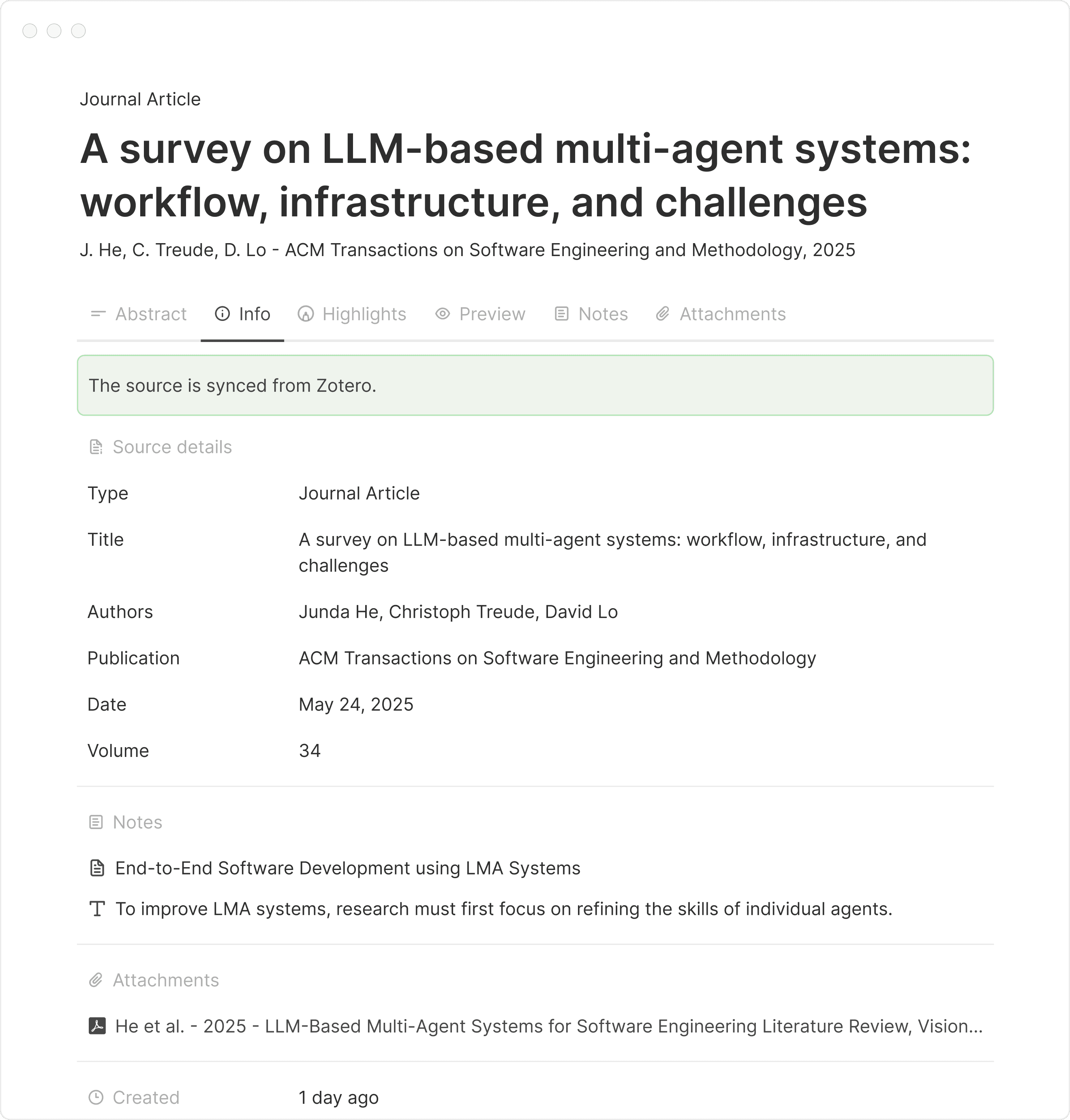
Zotero source card with article details

Introducing Heptabase AI Tutor

Structured, personalized AI tutor sessions to help you achieve your goals, integrated with note-taking system.

H
3. The Sophists and the Turn to the Human
Heptabase AI Tutor· 03/28/2026 1:01 AM
Message AI tutor...
AI Tutor
Course syllabus

Course Syllabus

0.1
Roadmap introduction
what you'll learn, why it matters, and how the topics connect across 600 years of Greek thought

Topic 1: What Is Philosophy?

1.1
Philosophy vs. Myth and Religion
how rational argument replaced (and sometimes clashed with) traditional Greek storytelling about the cosmos
1.2
The Core Branches of Philosophy
a beginner's map of metaphysics, epistemology, ethics, logic, and political philosophy — the territories this course will cover
1.3
Why the Greeks? Why Now?
the historical and cultural conditions that produced philosophical inquiry, and why these questions still press on us today
1.4
How to Read Philosophy
approaching arguments charitably, identifying premises and conclusions, and engaging with primary texts as live conversations

Topic 2: The Pre-Socratics: Cosmos and First Principles

2.1
The Milesians: Water, the Boundless, and Air
Thales, Anaximander, and Anaximenes — the first attempt to explain all of nature from a single underlying substance
2.2
Heraclitus: Flux and the Logos
Everything is in constant change, yet an underlying rational structure (Logos) unifies all opposites and governs the cosmos
2.3
Parmenides: Being and the Way of Truth
The radical argument that change and plurality are logical illusions — only eternal, unchanging Being truly exists
2.4
The Pluralists: Empedocles and Anaxagoras
Responses to Parmenides: four roots and Love/Strife; Mind (Nous) as the original mover of the cosmos
2.5
The Atomists: Democritus and the Void
The first materialist metaphysics — atoms and void as the ultimate constituents of reality, and the implications for soul, perception, and ethics

Topic 3: The Sophists and the Turn to the Human

3.1
Who Were the Sophists?
professional teachers of persuasion and virtue in democratic Athens — their social role and reputation
3.2
Protagoras and Moral Relativism
'Man is the measure of all things': the claim that truth and morality are relative to the individual or community, and why this was electrifying and dangerous
3.3
Gorgias and the Power of Rhetoric
the argument that nothing exists, or if it does we can't know it, or if we can we can't communicate it — rhetoric as power without truth
3.4
The Nomos vs. Physis Debate
is morality a human convention (nomos) or grounded in nature (physis)? — a debate Plato will spend his career resolving

Topic 4: Socrates: Method and Mission

4.1
The Elenchus: Socratic Questioning and Aporia
Seeking definitions and exposing contradictions.
4.2
The Apology: Philosophy on Trial
Socrates' defense speech and his identity as the 'gadfly'.
4.3
Socratic Ethics: Virtue as Knowledge
The radical claim that no one does evil willingly.
4.4
The Unexamined Life and the Care of the Soul
Wisdom through self-examination.

Topic 5: Plato: The World of Forms

5.1
The Allegory of the Cave and the Two Worlds
Plato's most famous metaphor for reality and education.
5.2
The Theory of Forms: Beauty, Justice, and the Good
Understanding the perfect archetypes of beauty, justice, and truth.
5.3
Epistemology: Recollection and the Divided Line
The levels of knowing and the idea that learning is remembering.

Topic 6: Plato: The Soul and the Just Society

6.1
The Tripartite Soul and Psychic Harmony
Reason, Spirit, and Appetite — and their proper order.
6.2
Justice in the City-State: One Person, One Function
The structure of the ideal state and the rule of philosophers.
6.3
Eros and the Ascent to Beauty (Symposium)
Love as the ladder leading the soul to the divine.

Topic 7: Aristotle: The Science of Being

7.1
Categories and Logic: The Syllogism
The invention of formal logic and classification of reality.
7.2
Hylomorphism: Matter and Form in Substance
Every physical object as a composite of matter and form.
7.3
The Four Causes and Teleology in Nature
The material, formal, efficient, and final explanations of things.

Topic 8: Aristotle: Eudaimonia and the Human Good

8.1
Eudaimonia: The Function of Human Life
Flourishing as the unique function of the human being.
8.2
The Doctrine of the Mean and Moral Habituation
Virtue as the 'golden mean' between two extremes.
8.3
Friendship and the Zôion Politikon (Political Animal)
Why the 'political animal' needs friendship and community.

Topic 9: Hellenistic Ethics: Epicureans and Stoics

9.1
Epicureanism: Atoms, Pleasure, and the Fear of Death
Atomism, the pursuit of simple pleasures, and 'death is nothing'.
9.2
Stoicism: Virtue as the Only Good
Aligning one's will with the rational order of the cosmos.
9.3
The Dichotomy of Control and Living with Nature
Managing emotions and focusing on what is in our control.

Topic 10: The Critical Voices: Skeptics and Cynics

10.1
Pyrrhonian Skepticism: Suspending Judgment for Peace
Achieving peace by admitting we cannot know.
10.2
Academic Skepticism: The Search for Probability
Probability as a guide for living in an uncertain world.
10.3
The Cynics: Radical Simplicity and Nature
Diogenes and the systematic rejection of social conventions.

Topic 11: The Ancient Legacy and Synthesis

11.1
Comparing the Schools on the Good Life
Comparing Plato, Aristotle, Stoics, and Epicureans on happiness.
11.2
Metaphysics Synthesis: One vs. Many, Matter vs. Spirit
A final look at the major ancient answers to 'What is real?'.
11.3
Ancient Philosophy's Modern Relevance and Legacy
From Roman Stoicism to modern therapy and science.

Final Capstone: Philosophy as a Way of Life

12.1
Developing Your Personal Philosophical Toolkit
Selecting the most compelling ancient principles for a modern life.
12.2
Ancient Ethics in the Modern World
Applying Socratic, Platonic, or Stoic methods to current moral dilemmas.
12.3
Course Reflection and Final Synthesis
Consolidating the journey from the first 'why' to the final peace.

All the essentials, done right.

Blazing fast

Search over 10,000 notes in less than a second.

Offline access

Access all notes and files without an internet connection.

Real-time collaboration

Invite your friends and teammates to collaborate with you for free.

Mobile ready

Capture and edit your ideas on the go; voice note supported.

Designed with the best methods for learning.

Use AI for Learning

Tackle challenging knowledge with AI.
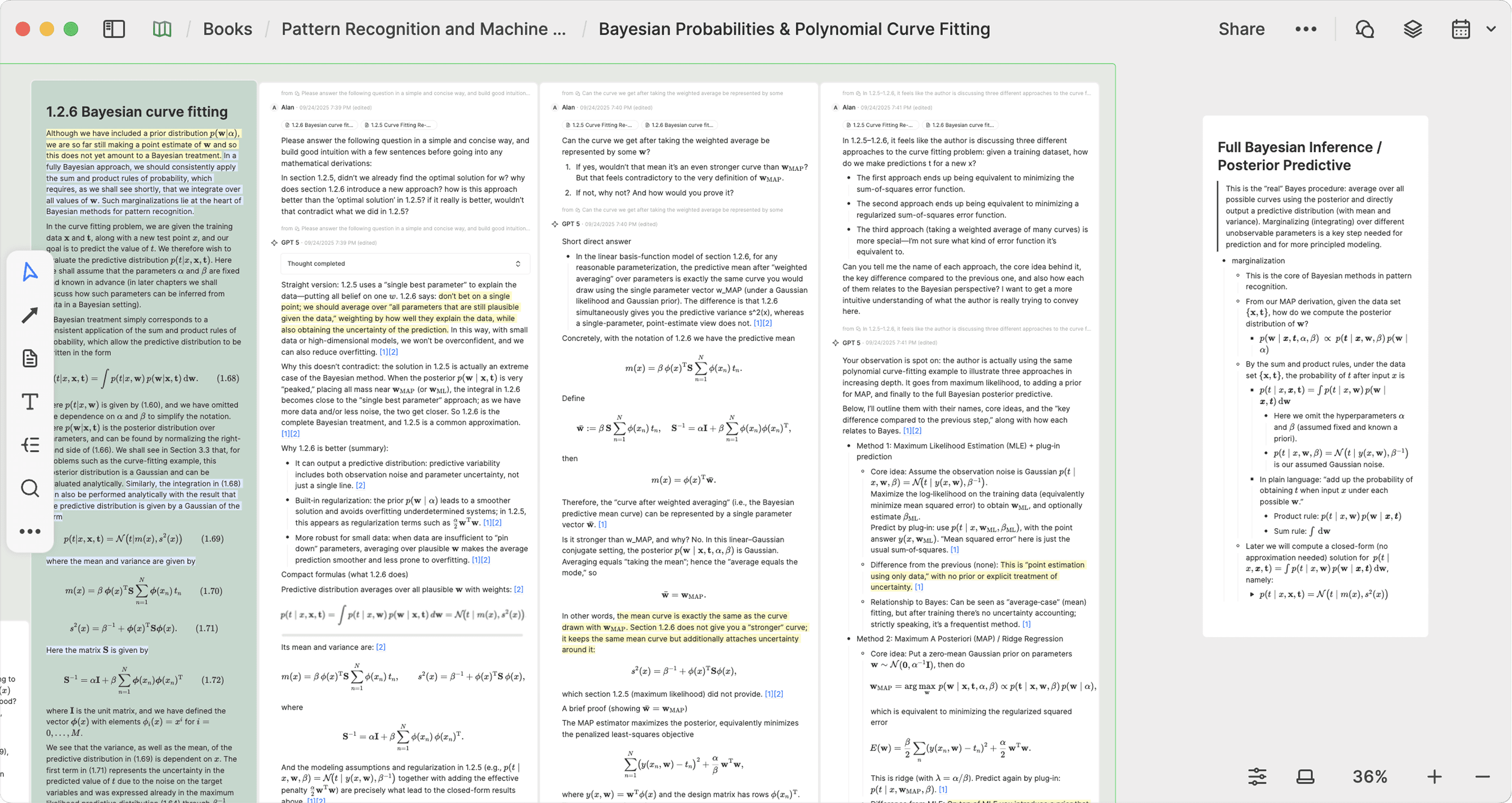
AI Learning Interface Screenshot

Acquire Knowledge from Readings

Deepen your understanding on a whiteboard.
Reading Knowledge Interface Screenshot

Explore what people are making

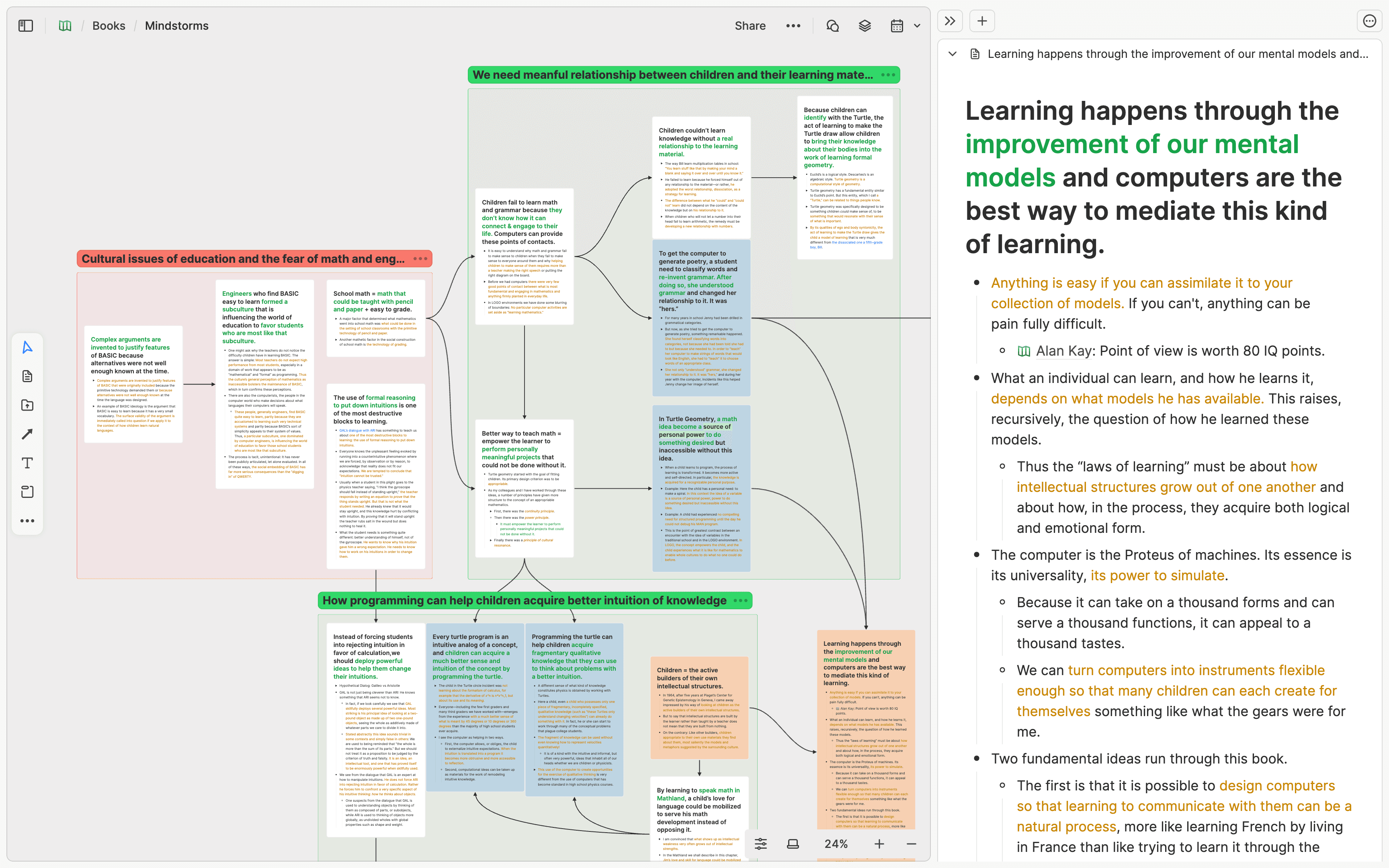
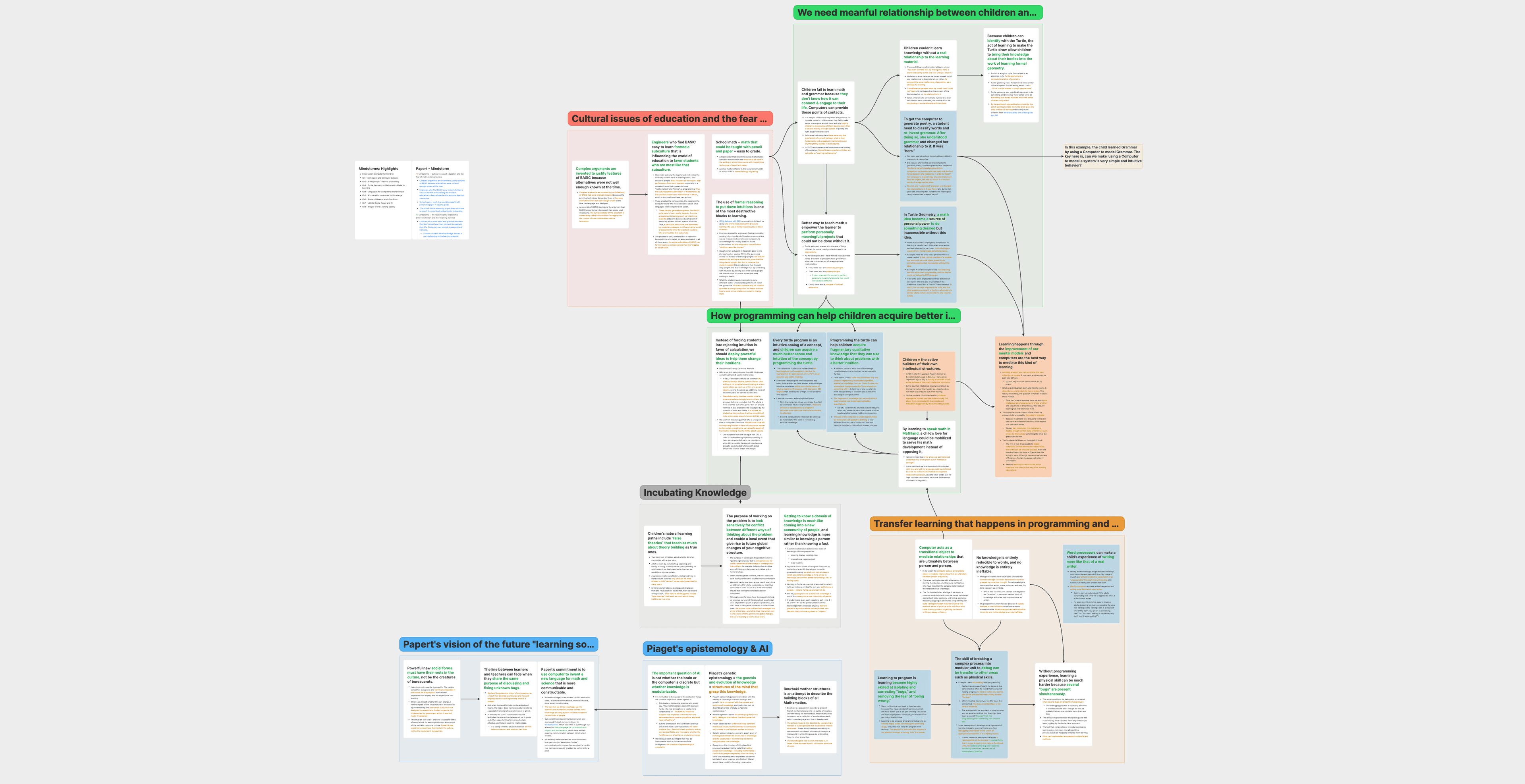
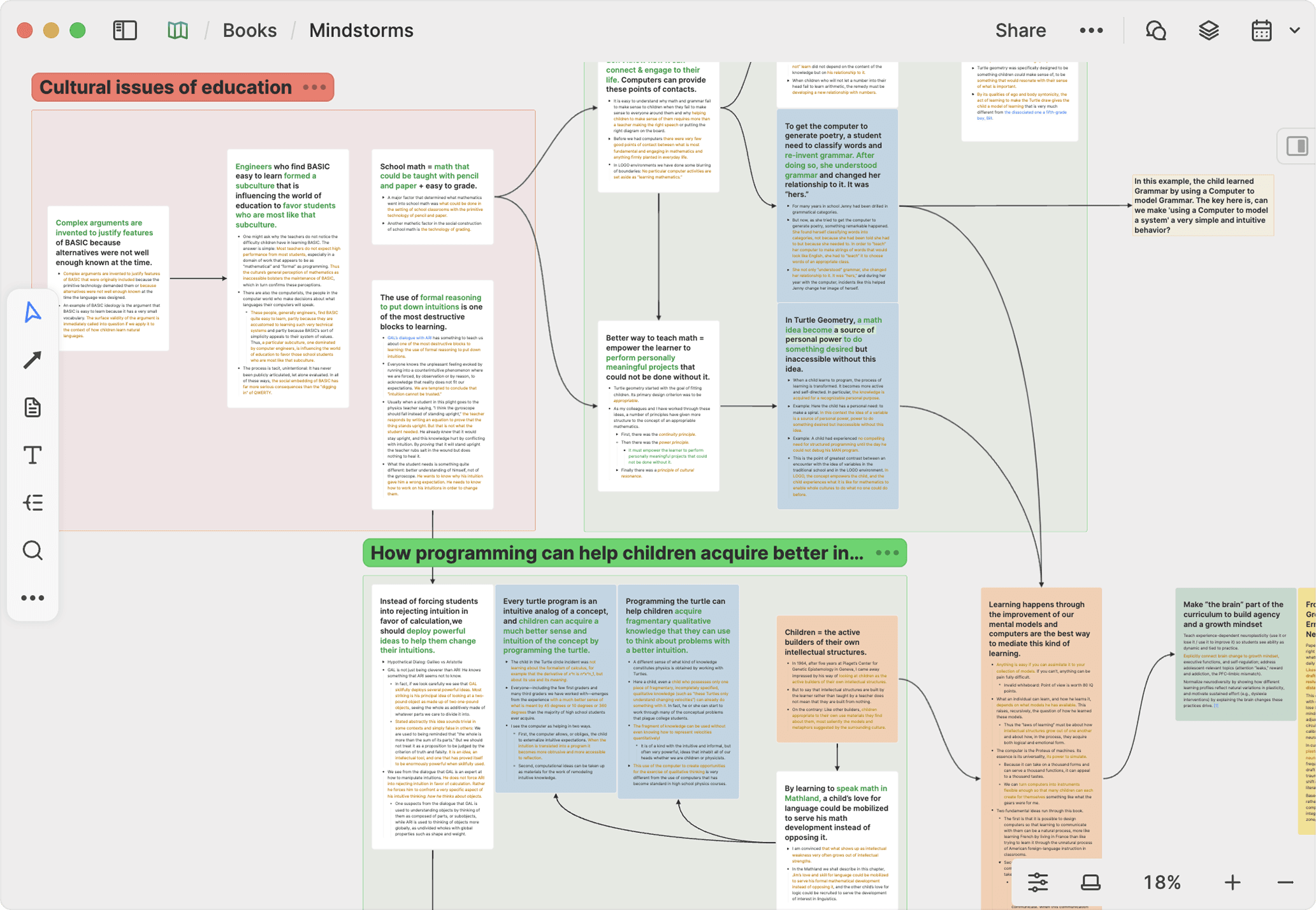
Reading Notes: Mindstorms

Books

Reading Notes: Mindstorms

Mindstorms by Seymour Papert shows how computers can transform learning by letting children explore and create through programming, making education playful and discovery-driven.

Alan
Alan

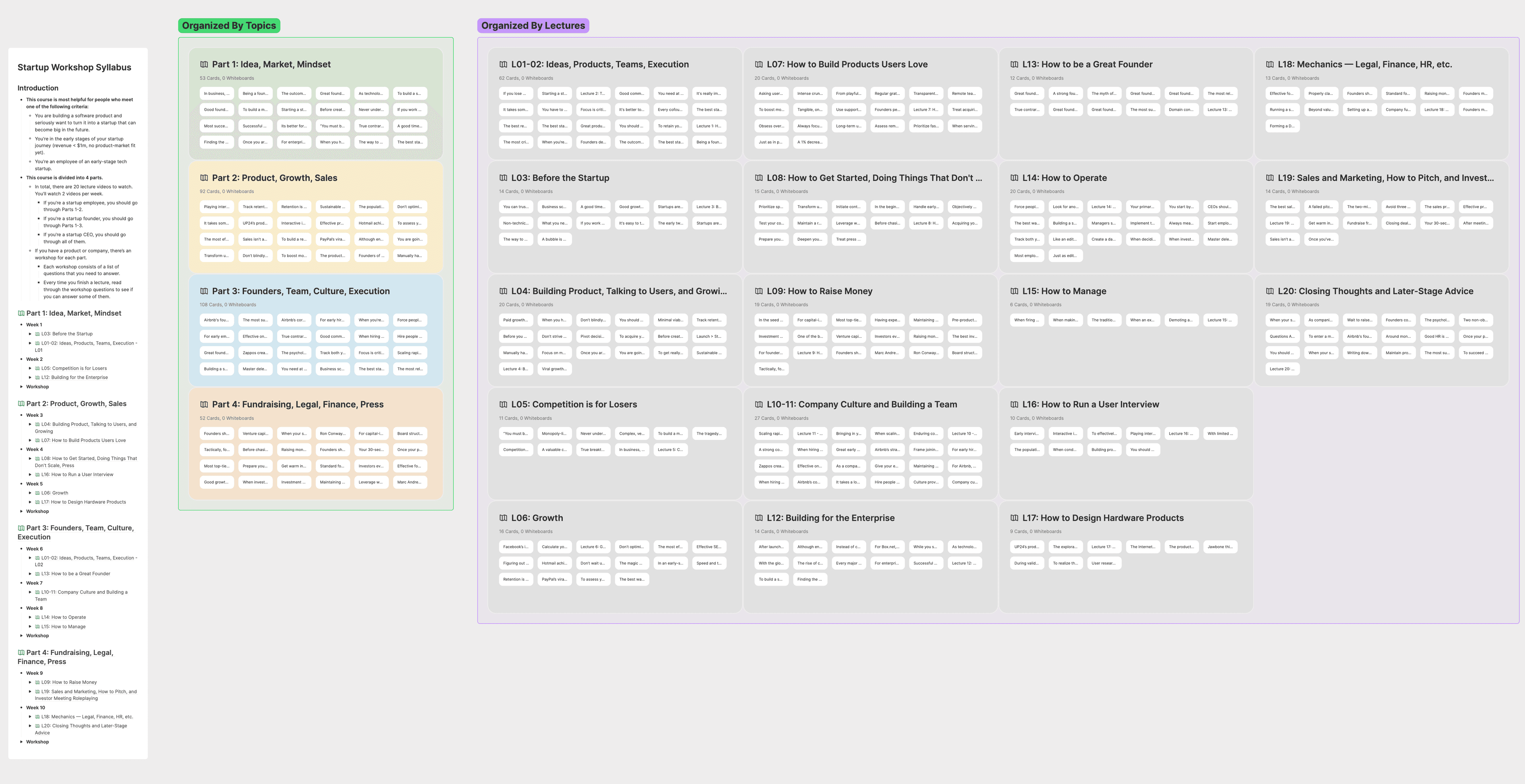
How to Start a Startup

Courses

How to Start a Startup

Everything from Y Combinator’s 2014 Stanford startup course distilled into core ideas.

Alan
Alan

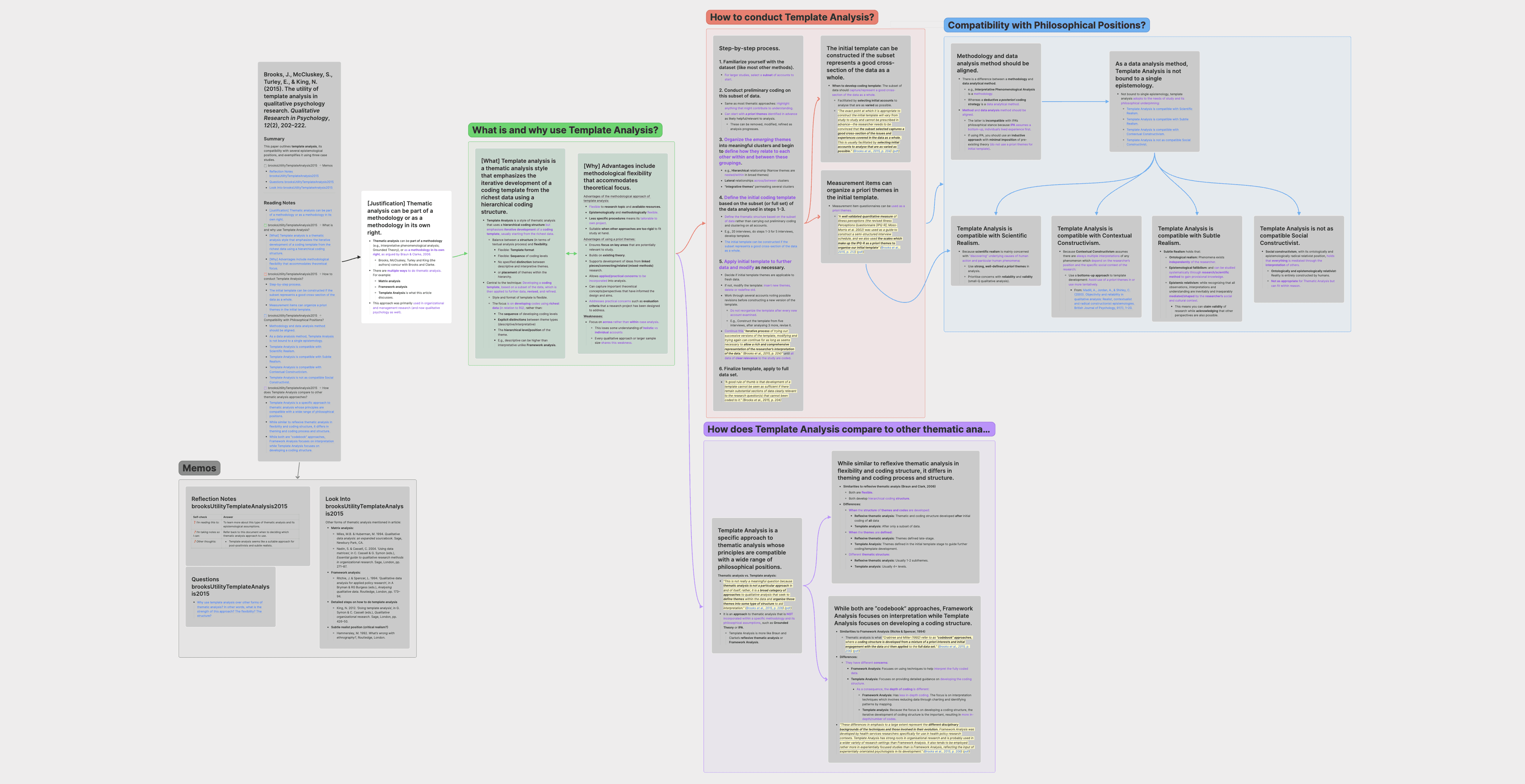
The utility of template analysis in qualitative psychology research

Research

The utility of template analysis in qualitative psychology research

In this methodology paper, Brooks et al. (2015) outline template analysis: a type of thematic analysis in psychology research.
Michael

Michael